5 Dead Among 9 Cases: Louisiana Warns of “Flesh-Eating” Bacteria
4 min read
Quick Answer
Yes, there is a real reason behind the health warning in Louisiana, but it is not about a contagious infection spreading between people. The state has reported 9 Vibrio vulnificus cases in 2026, all requiring hospitalization, with 5 deaths. All nine cases were linked to wounds exposed to salt or brackish water.
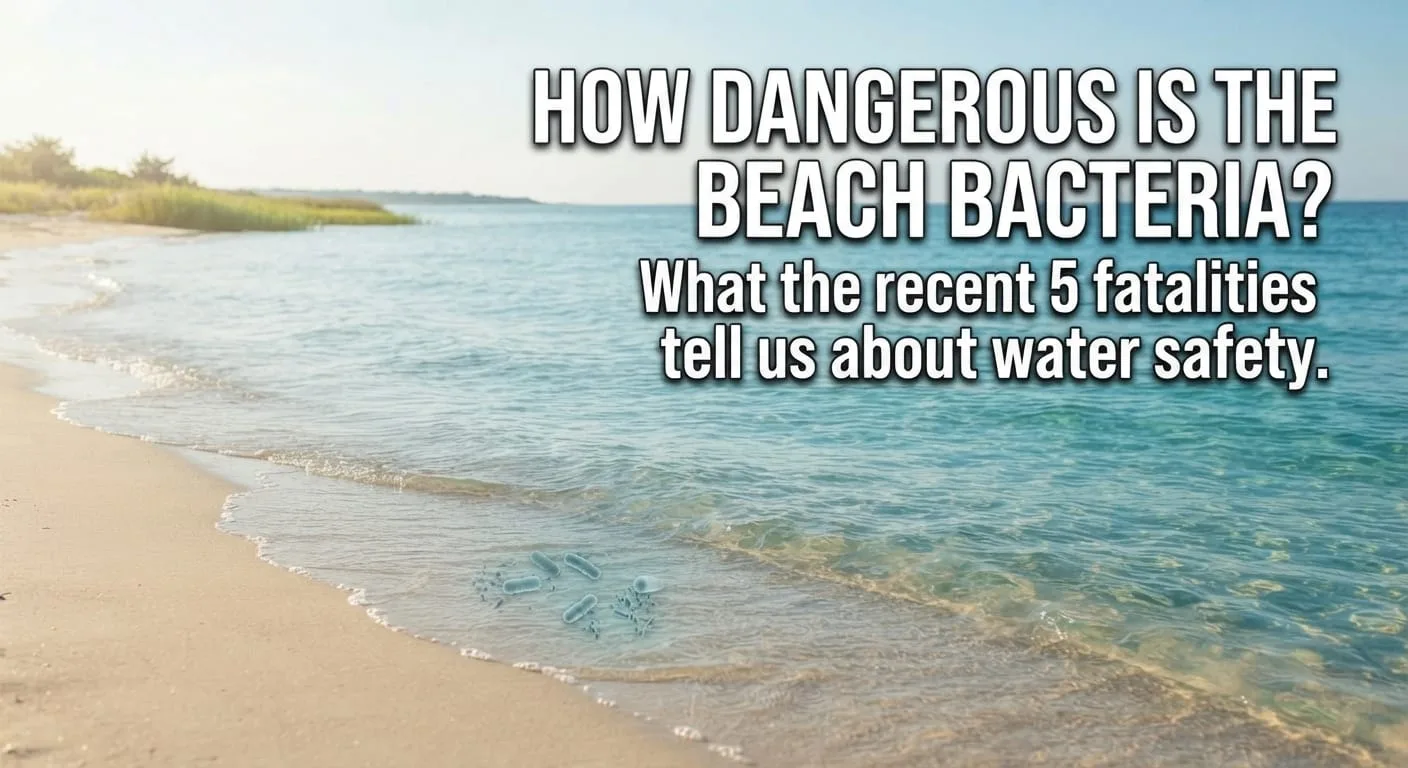
The Louisiana Department of Health issued a warning to residents on August 6, 2026, about Vibrio vulnificus, commonly referred to in the media as the “flesh-eating bacteria.” The warning came after 9 cases were reported among Louisiana residents this year. All of the patients required hospitalization, while 5 died.
But there is an important detail in the numbers. According to U.S. sources citing Louisiana health officials, the number of cases is not unusual for this time of year. The unusually high number of deaths is what has raised concern.
5 Deaths Among 9 Cases in Louisiana
Data from the Louisiana Department of Health shows that 9 cases of Vibrio vulnificus were reported in 2026 as of the health warning.
All nine patients were hospitalized, while 5 died. Compared with the average for the same period over the previous 10 years, which was about 7 cases and 1 death, the current death toll is notably higher.
Based on the current numbers, more than half of the reported cases in Louisiana resulted in death. However, this does not mean that more than half of people infected with this bacterium typically die. It reflects only the nine cases reported in the state during this period.
How Did the Patients Become Infected?
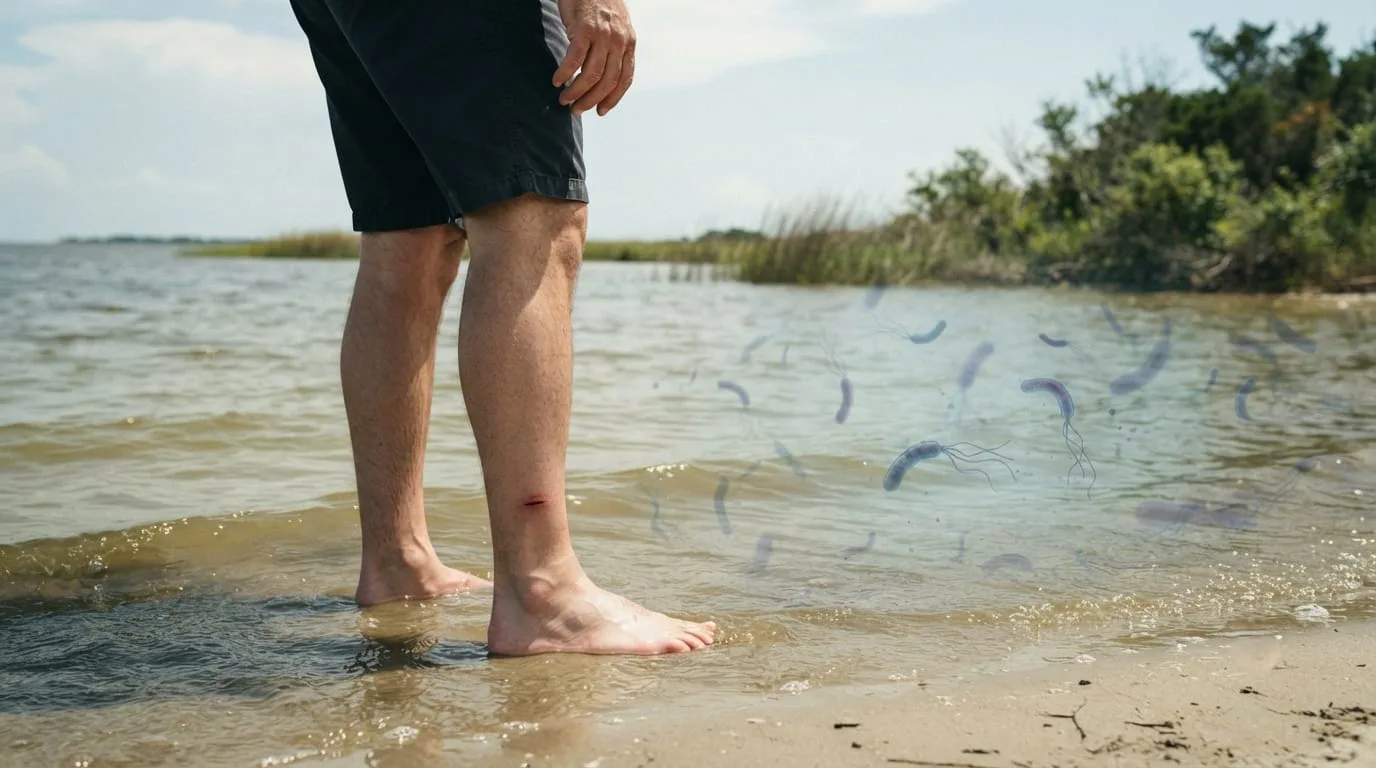
According to information from the Louisiana Department of Health, all nine cases were associated with wounds exposed to salt or brackish water.
Vibrio vulnificus occurs naturally in warm coastal waters, and levels of the bacterium increase during the warmer months, particularly from May through October.
Infection can occur when seawater or brackish water comes into contact with an open wound or cut. Infection can also occur from eating raw or undercooked seafood, particularly oysters.
Who Is Most at Risk of Severe Infection?
The available data indicate that all nine patients reported in Louisiana in 2026 had underlying health conditions.
Risk factors identified in the sources include liver disease, diabetes, cancer, weakened immunity, and other underlying health conditions.
However, the available data do not provide individual medical details for each of the nine patients, so it is not possible to determine which specific condition each person had.
Does the Bacteria Spread From Person to Person?
The available reports do not indicate ongoing transmission of the bacterium from person to person. There is also no current evidence that it is spreading through respiratory transmission or as a contagious outbreak among the population.
The primary risk associated with the Louisiana cases is direct exposure to salt or brackish water through wounds, as well as eating raw or undercooked seafood.
For this reason, the health warning does not mean that there is a wave of infections spreading from person to person. Instead, it focuses on reducing exposure to the bacterium in environments where it can naturally occur.
Why Is It Called the “Flesh-Eating Bacteria”?
Vibrio vulnificus has become associated in the media with the term “flesh-eating bacteria” because, in some severe cases, it can cause tissue damage and serious infections, and it may be associated with necrotizing fasciitis.
However, the term “flesh-eating bacteria” is not the bacterium’s scientific name, and it does not mean that the bacterium literally “eats flesh.” The term is primarily a media description of severe cases that can result in tissue destruction.
Medical information cited in the sources indicates that some severe infections can progress rapidly and become life-threatening.
How Can You Prevent the Infection?
The Louisiana Department of Health recommends avoiding salt or brackish water when you have open wounds or cuts on your skin.
If exposure to the water is necessary, the wound should be thoroughly covered with a waterproof bandage. Any wound that comes into contact with seawater or brackish water should also be washed thoroughly with soap and water.
When it comes to seafood, health guidance recommends cooking it thoroughly and avoiding raw or undercooked oysters, especially for people with underlying health conditions that increase their risk of severe infection.
Bottom Line: The Risk Is Real, But Not Quite What the Headline Suggests
The numbers reported by Louisiana deserve attention, particularly the 5 deaths among 9 confirmed cases during 2026.
But official information cited by health officials points to an important distinction: the number of cases is not unusual for this time of year, while the unusually high death toll is the main concern.
The current cases also do not indicate person-to-person spread of the infection. The primary risk is exposure to salt or brackish coastal water through wounds, or eating raw or undercooked seafood.
Written by shindy
Researcher and U.S. news enthusiast since 2011
Frequently Asked Questions
Q: Is Vibrio vulnificus contagious between people?
A: The available data do not indicate ongoing transmission of the bacterium from person to person. Infection is primarily associated with exposure to salt or brackish water through wounds, or eating raw or undercooked seafood.
Q: Why is Vibrio vulnificus called the “flesh-eating bacteria”?
A: It is a media description associated with the bacterium because, in some severe cases, it can cause tissue damage and serious infections. It does not literally “eat flesh.”
Q: How many Vibrio vulnificus cases and deaths have been reported in Louisiana in 2026?
A: The state has reported 9 confirmed cases as of the August 2026 health warning. All patients were hospitalized, and 5 died.
Q: How does Vibrio vulnificus spread?
A: Infection can occur when an open wound or cut is exposed to salt or brackish water. It can also occur from eating raw or undercooked seafood, particularly oysters.
Q: How can I protect myself from the bacterium?
A: Avoid salt or brackish water when you have open wounds, or cover wounds with waterproof bandages. If a wound comes into contact with the water, wash it thoroughly with soap and water. Seafood should also be cooked thoroughly, and raw oysters should be avoided.
Recommended For You

36th Dragon Boat Festival Kicks Off in Queens
The 36th annual Dragon Boat Festival is underway in Queens, featuring races, cultural performances and free admission.

Two Boys Under 10 Take Parents’ Car, Critically Injure Woman
A California woman in her 30s was critically injured after a car allegedly taken by two boys, ages 4 and 7, struck her in Oakland.