August 10, 1519: How Magellan’s Historic Voyage Began
4 min read
Quick Answer
Magellan’s voyage began on August 10, 1519, when five ships left Seville and traveled down the Guadalquivir River toward Sanlúcar de Barrameda. This was not yet the actual Atlantic departure; the fleet left Sanlúcar on September 20, 1519, setting out to find a western route to the Moluccas, known as the Spice Islands. The voyage ultimately became one of the most important sea expeditions in history after Juan Sebastián Elcano and the surviving crew completed the first documented circumnavigation of the Earth in 1522.
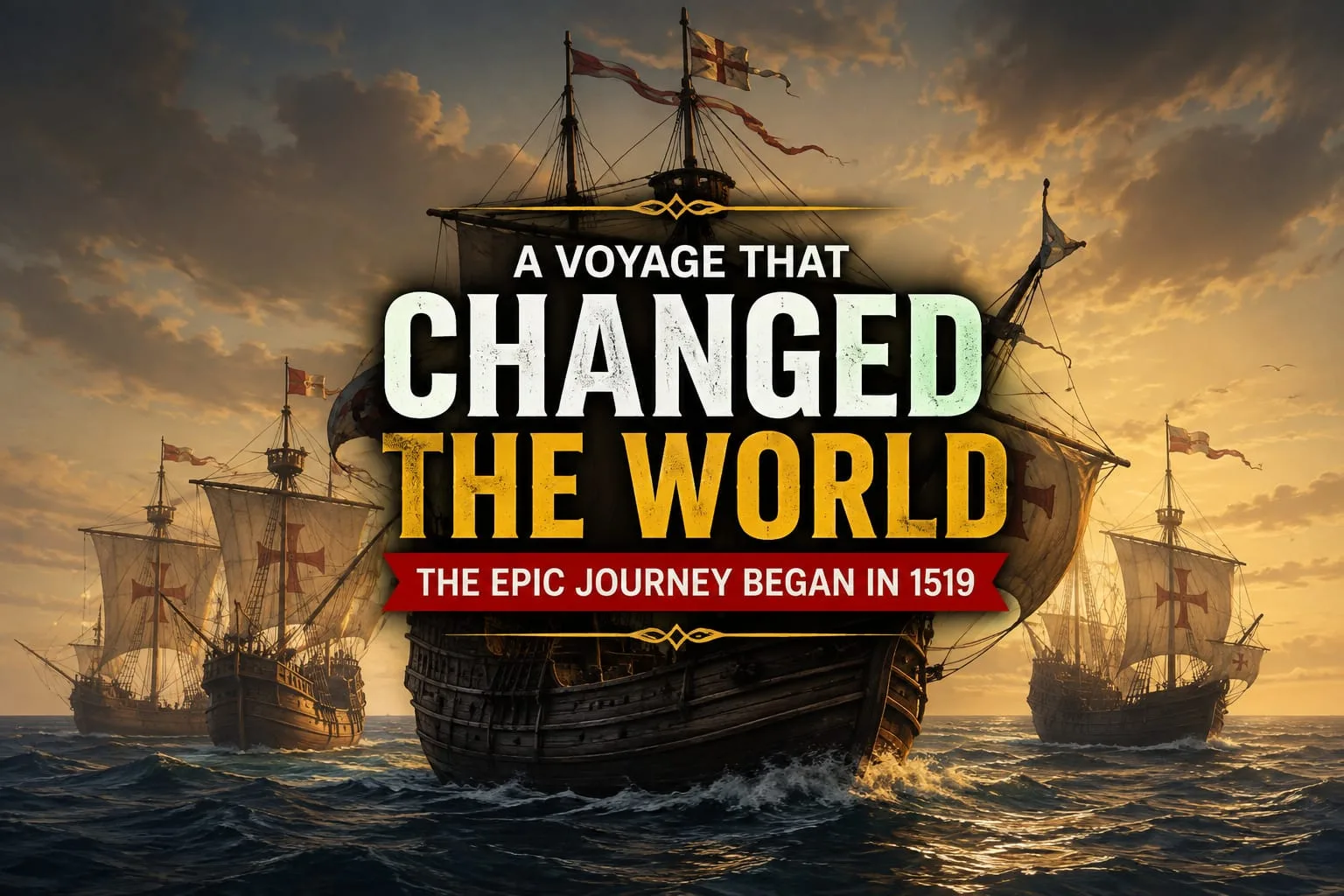
August 10, 1519: The Beginning of Magellan’s Voyage
On August 10, 1519, one of the most famous sea voyages in history began when Ferdinand Magellan’s fleet left the Spanish city of Seville. The expedition consisted of five ships and aimed to reach the Moluccas in Southeast Asia by sailing west, at a time when Spain and Portugal were competing for trade routes and access to the wealth of Asia.
But there is an important detail about the date the voyage began: leaving Seville in August did not mean the fleet had entered the Atlantic Ocean that day. The ships first traveled down the Guadalquivir River toward Sanlúcar de Barrameda before beginning their ocean voyage in September.
Who Was Ferdinand Magellan?
Ferdinand Magellan was a Portuguese-born sailor and explorer who later entered the service of the Spanish Crown and led the expedition that set out in 1519. His project focused on finding a western route to the Moluccas, which were known as the Spice Islands because of their importance in the spice trade.
Magellan did not finance the voyage on his own. It was an expedition sponsored and funded by the Spanish Crown. King Charles I granted Magellan and his partner Rui Faleiro leadership roles in the expedition, tasking them with finding the Moluccas and securing a trade route to them.
Why Did Spain Want to Reach the Spice Islands?
The Moluccas were an important center for the production and trade of cloves, nutmeg, and other spices, making routes to the islands economically important to European powers.
At the time, Spain and Portugal were competing over trade routes and maritime territories. As a result, finding a new route to Asia became an economic and strategic goal, and the idea of reaching the Moluccas from the west became part of the expedition led by Magellan.
August 10, 1519: The Voyage Leaves Seville
On August 10, 1519, the five ships left Seville and traveled along the Guadalquivir River toward Sanlúcar de Barrameda, located at the river’s mouth.
Seville was an important center for gathering and preparing the ships, while Sanlúcar was better suited for sending large vessels out toward the ocean. The voyage can therefore be viewed as taking place in two stages: first, the departure from Seville and the journey downriver; second, the ocean voyage from Sanlúcar toward the Atlantic.
The account of Antonio Pigafetta, one of the expedition’s members, states that the fleet left Seville on August 10, 1519, and then remained near the river mouth until September.
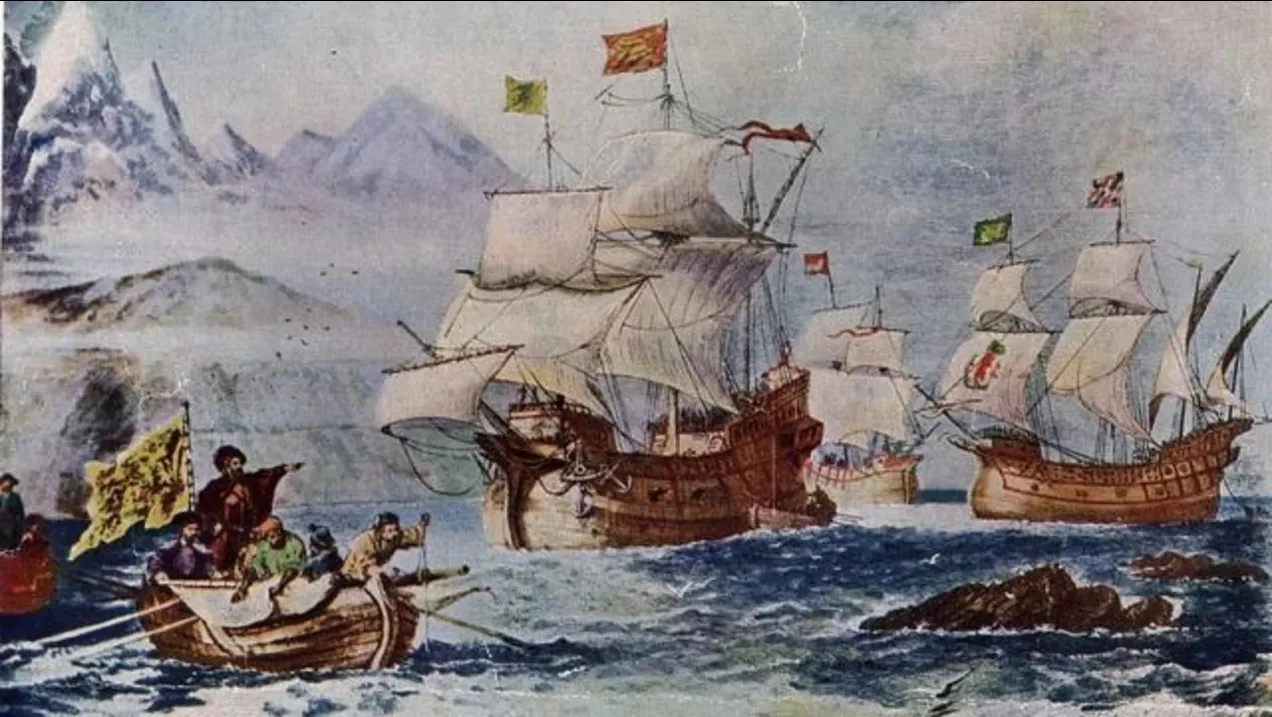
September 20, 1519: When Did the Ocean Voyage Actually Begin?
On September 20, 1519, the fleet left Sanlúcar de Barrameda and began sailing toward the Atlantic Ocean. That is why the difference between August 10 and September 20 is important when discussing the start of Magellan’s voyage.
August 10 marks the departure from Seville and the journey toward the coast, while September 20 marks the fleet’s departure from Sanlúcar and the beginning of its Atlantic voyage according to the historical timeline used by sources covering the expedition.
At that point, the expedition consisted of five ships: Trinidad, the flagship commanded by Magellan; San Antonio; Concepción; Victoria; and Santiago.
What Was Waiting for Magellan and His Crew?
The expedition set out on a voyage whose outcome was not known in advance. Its goal was to reach the Moluccas by sailing west, but the voyage would eventually become far more significant than its original commercial purpose.
During the expedition, the fleet discovered the sea passage later known as the Strait of Magellan and then crossed into the Pacific Ocean. In 1521, Magellan was killed in the Battle of Mactan in the Philippines, so he did not live to see the end of the voyage.
After Magellan’s death, Juan Sebastián Elcano continued leading what remained of the expedition. In 1522, the ship Victoria returned to Spain, making the expedition the first documented sea voyage to complete a circumnavigation of the Earth.
Magellan’s Voyage Was More Than a Search for a Trade Route
The importance of Magellan’s voyage was not limited to its original goal of reaching the Spice Islands. The expedition later became a major geographical event after the fleet crossed into the Pacific Ocean and part of its crew completed the journey around the Earth.
However, it is important not to say that Magellan himself completed the circumnavigation, because he died before the voyage ended. The final achievement was completed by Elcano and the survivors aboard the Victoria, who returned to Spain in 1522.
Written by shindy, a researcher and writer interested in American news since 2011.
Frequently Asked Questions
Q: Did Magellan’s voyage begin on August 10, 1519?
A: Yes. The five ships left Seville on August 10, 1519, but this date refers to their departure from Seville and their journey down the Guadalquivir River. The actual Atlantic departure from Sanlúcar took place on September 20, 1519.
Q: Why did Magellan make this voyage?
A: The main goal was to reach the Moluccas, known as the Spice Islands, by sailing west, amid competition between Spain and Portugal over trade routes and access to Asia.
Q: Who financed Magellan’s voyage?
A: The voyage was a Spanish expedition sponsored and funded by the Spanish Crown. It was not a personal project financed solely by Magellan.
Q: How many ships took part in the expedition?
A: The expedition began with five ships: Trinidad, San Antonio, Concepción, Victoria, and Santiago.
Q: Did Magellan complete the voyage around the world?
A: No. Magellan was killed in the Battle of Mactan in the Philippines in 1521. Juan Sebastián Elcano and the surviving crew aboard the Victoria completed the voyage, and the ship returned to Spain in 1522.
Recommended For You

International Cat Day 2026: Why Is It Celebrated on August 8?
International Cat Day 2026 falls on August 8, raising awareness of cat welfare and encouraging responsible care and protection.

Will Apple Raise iPhone 17 Prices on August 10? Memory Chip Crisis Puts Pressure on Apple Prices
Apple may raise iPhone 17 prices as early as August 10 amid a global memory chip shortage driven by surging demand from AI data centers.