ICE to Equip All Field Officers With Body Cameras by Late September
3 min read
Quick Answer
U.S. Immigration and Customs Enforcement (ICE) is preparing to complete the rollout of body cameras to all field officers by the end of September following pressure from Congress and several controversial officer-involved shootings. At the same time, the agency's new policy states that body camera footage will not be released automatically but only when ICE determines that doing so is in the agency's "best interests."
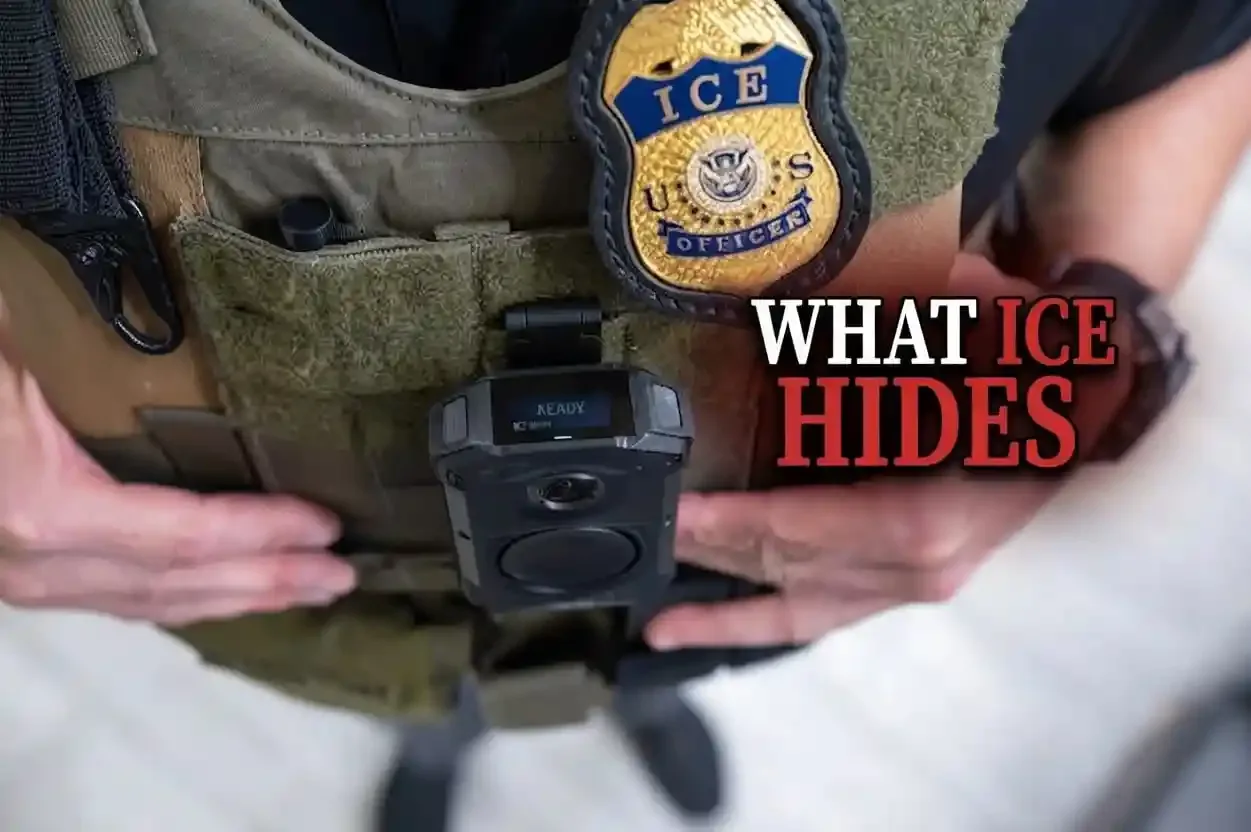
U.S. Immigration and Customs Enforcement (ICE) has announced plans to complete the rollout of body cameras to all of its field officers before the end of September 2026. The move is part of a broader initiative to expand the use of body cameras during law enforcement operations while implementing a new policy governing how footage from serious incidents is handled and released.
Plan to Complete Body Camera Rollout by Late September
ICE said that more than half of its field officers have already received body cameras, with the remaining officers expected to be equipped by the end of September. The policy also requires every field arrest team to include at least one officer wearing a body camera.
When Will ICE Release Body Camera Footage?
Under the new policy, footage involving officer-involved shootings or incidents resulting in death or serious injury will only be released if the agency determines that doing so is in the "best interests of the agency." A review committee made up of senior ICE officials and legal advisors evaluates the footage before making a recommendation on whether it should be released.
If the committee recommends releasing the footage, it may be made public within 72 hours. However, the ICE Director retains the authority to delay or prevent its release if "specific and compelling circumstances" justify doing so.
Protecting Officers' Identities
Available information indicates that the policy includes measures to protect officers' identities when footage is released, including blurring faces, names, and badge numbers. However, this specific provision still requires confirmation from the full official directive, according to the available primary sources.
Why Has the Policy Drawn Criticism?
Several experts and former officials argue that the "best interests of the agency" standard gives ICE broad discretion to decide which videos are released and which are withheld, potentially reducing the level of transparency that body cameras are intended to provide. ICE has not publicly explained in detail how it determines when footage should be withheld.
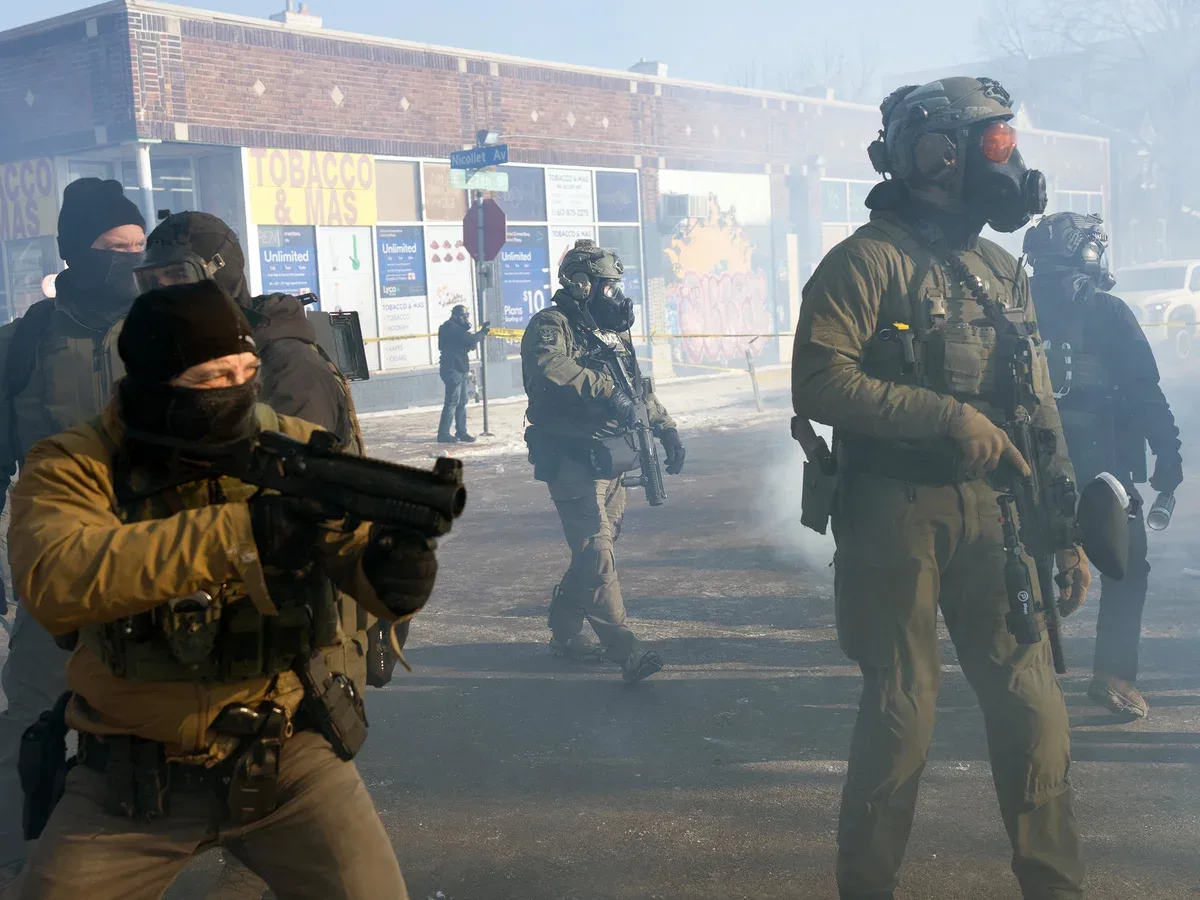
The policy comes after months of pressure from members of Congress and following several officer-involved shootings during July 2026 that renewed debate over expanding the use of body cameras in immigration enforcement operations.
The Department of Homeland Security allocated approximately $20 million for the body camera program, and reports indicate that the devices were purchased from Axon. The program is governed by ICE Directive 19010.3, which establishes when cameras must be activated and the enforcement activities covered under the policy.
Although wearing body cameras has become part of routine enforcement procedures, the current policy distinguishes between recording an incident and releasing the footage to the public. Recording an incident does not automatically mean the footage will be released to the public.
It is also worth noting that some details, including the procedures for fully protecting officers' identities and the specifics of the Axon procurement contract, still require confirmation from official documentation, according to the available primary sources.
Written by shindy
Researcher covering U.S. news since 2011.
Frequently Asked Questions
Q: When will ICE finish distributing body cameras?
A: The agency says it aims to equip all of its field officers with body cameras by the end of September 2026.
Q: Will ICE release all body camera footage?
A: No. Under the new policy, footage involving serious incidents will only be released if ICE determines that doing so is in the agency's "best interests."
Q: Who decides whether footage is released or withheld?
A: An internal review committee evaluates the footage, but the ICE Director has final authority to delay or prevent its release if "specific and compelling circumstances" exist.
Q: Why has the policy been criticized?
A: Some experts argue that allowing ICE to decide what footage is released could reduce transparency and make body cameras a selective public disclosure tool.
Q: Is wearing body cameras now mandatory?
A: The policy requires every field arrest team to include at least one officer wearing a body camera while the agency completes the rollout to all field officers.
Recommended For You

1 Dead, 14 Injured After Massive Bronx Apartment Building Explosion
One person was killed and 14 others were injured after a massive explosion and fire tore through a five-story apartment building in the Bronx. The cause remains under investigation.

Man Survives After Being Pushed Onto Harlem Subway Tracks as NYPD Hunts Suspect
A 40-year-old man survived after being pushed onto the subway tracks at Harlem's 125th Street station. The NYPD is searching for the suspect who fled the scene.