Political Deal Clears Path for New AG Confirmation: Blanche Scraps Weaponization Fund
3 min read
Quick Answer
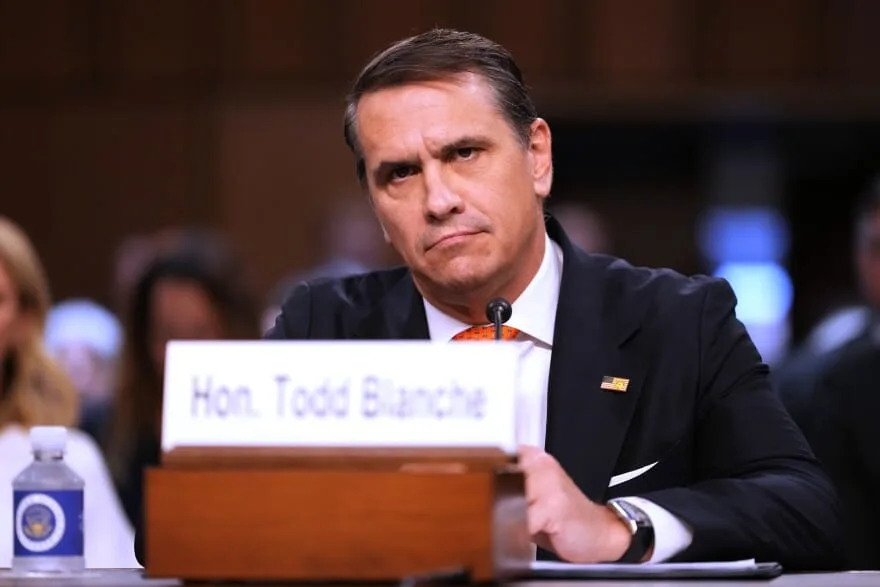
Todd Blanche secured the support of two pivotal Republican senators, John Cornyn and Thom Tillis, for his confirmation as U.S. Attorney General after issuing a formal order to rescind a controversial funding program. The two senators had demanded written guarantees narrowing the scope of a tax immunity deal and eliminating the fund before they would back the nomination.
Background: The Crisis and the Tax Settlement
The current dispute traces back to a landmark settlement between the Trump administration and the U.S. Internal Revenue Service. According to available information, the settlement granted tax immunity to Trump and his sons, Donald Jr. and Eric, as well as the Trump Organization. But the most contentious element of the deal was the creation of an "anti-weaponization fund" worth roughly $1.8 billion, intended to compensate individuals who claimed they had been targeted by the federal government.
The Congressional Standoff and the Two Pivotal Senators
The existence of the fund raised widespread concern in Congress, particularly among Republican Senators John Cornyn of Texas and Thom Tillis of North Carolina. Their central worry was that individuals convicted in connection with the January 6, 2021 Capitol riot could benefit from taxpayer money through the fund. The two senators demanded clear, written guarantees that the fund would be eliminated and that the scope of the tax immunity would be narrowed before they would vote to confirm Blanche's nomination.
Pressure and Presidential Threats
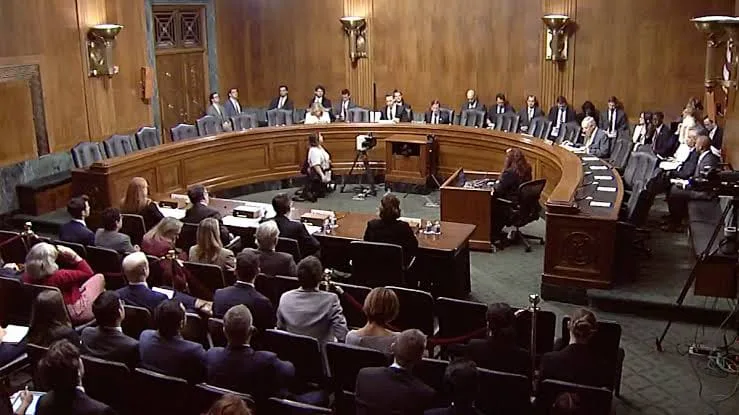
The standoff escalated when President Trump publicly voiced his support for the fund, going so far as to threaten that, if the two senators did not come around, he might leave Blanche as acting attorney general indefinitely rather than move forward with activating the fund. Sources also reported that on August 1, Trump threatened to withdraw Blanche's nomination and resubmit it later if Cornyn and Tillis did not "do the right thing." Blanche's testimony before the Judiciary Committee in mid-July, in which he stated the fund was effectively "dead," was not enough to persuade the senators at the time.
The Resolution and Confirmation of Support
On August 2, Todd Blanche issued a formal order rescinding the earlier order that had created the anti-weaponization fund. The scope of the tax immunity was also narrowed, limited strictly to tax filings already submitted by Trump, his sons, and their company. This step led Cornyn and Tillis to reverse course and announce their support for Blanche's nomination. The Senate Judiciary Committee is scheduled to vote on August 4 to advance the nomination to the full Senate.
Potential Issues With the Final Language
According to updated media reports, the new rescission and tax-immunity language may contain loopholes in how it was legally drafted. The precise details of the final language and its legal impact remain a matter of political debate, and long-term clarity on certain points has yet to emerge.
Key Moments in the Timeline
- July 19: Media reported that Cornyn and Tillis were in talks with the White House.
- July 28: A real rift emerged over the administration's refusal to rescind the settlement.
- July 31: The president said the fund was "dead," but the senators demanded written confirmation.
- August 1: President Trump escalated pressure with public threats.
- August 2: The fund was formally rescinded, and the senators announced their support.
Frequently Asked Questions
Q: Who is Todd Blanche and what is his connection to this story?
A: Todd Blanche is the acting Attorney General in the Trump administration who was nominated to become the permanent U.S. Attorney General. His nomination had stalled over objections from Senators Cornyn and Tillis, who demanded a resolution to the anti-weaponization fund dispute before backing him.
Q: What is the "anti-weaponization fund" and how much is it worth?
A: It is a funding program worth roughly $1.8 billion, created as part of a settlement between the Trump administration and the IRS. It was intended to compensate individuals who claimed they had been targeted by the federal government — a provision that drew controversy over the possibility that people convicted in the January 6 riot could benefit.
Q: Why were the two senators objecting to the nomination?
A: Cornyn and Tillis were concerned about the political implications of the anti-weaponization fund, particularly the possibility that some individuals convicted in the Capitol riot could benefit from taxpayer money. They demanded the fund be eliminated and that its cancellation be confirmed in writing before supporting Blanche.
Q: What did Blanche do to change the senators' position?
A: Blanche issued a formal order rescinding the anti-weaponization fund and put the scope of the tax immunity in writing, satisfying the senators' concerns.
Q: Is everything settled now, or are questions still open?
A: According to available information, the final rescission language may contain legal loopholes, but political support for the nomination appeared to solidify after the formal order was issued.
Recommended For You
Ethics Panel Recommends Censure of GOP Rep. Chuck Edwards Over Harassment Claims
House Ethics Committee report says Rep. Chuck Edwards' conduct toward two young staffers created an uncomfortable workplace.

Body of 58-Year-Old Found with Knife Wound in Brooklyn
Police discovered a 58-year-old man's body in his Brooklyn home with a knife embedded in his neck. Advanced decomposition suggests he died weeks before being found.