Europe Gas Prices Hit 3-Week High as Hormuz Tensions Grow

By Shindy
Researcher and follower of U.S. news since 2011.
4 min read
Quick Answer
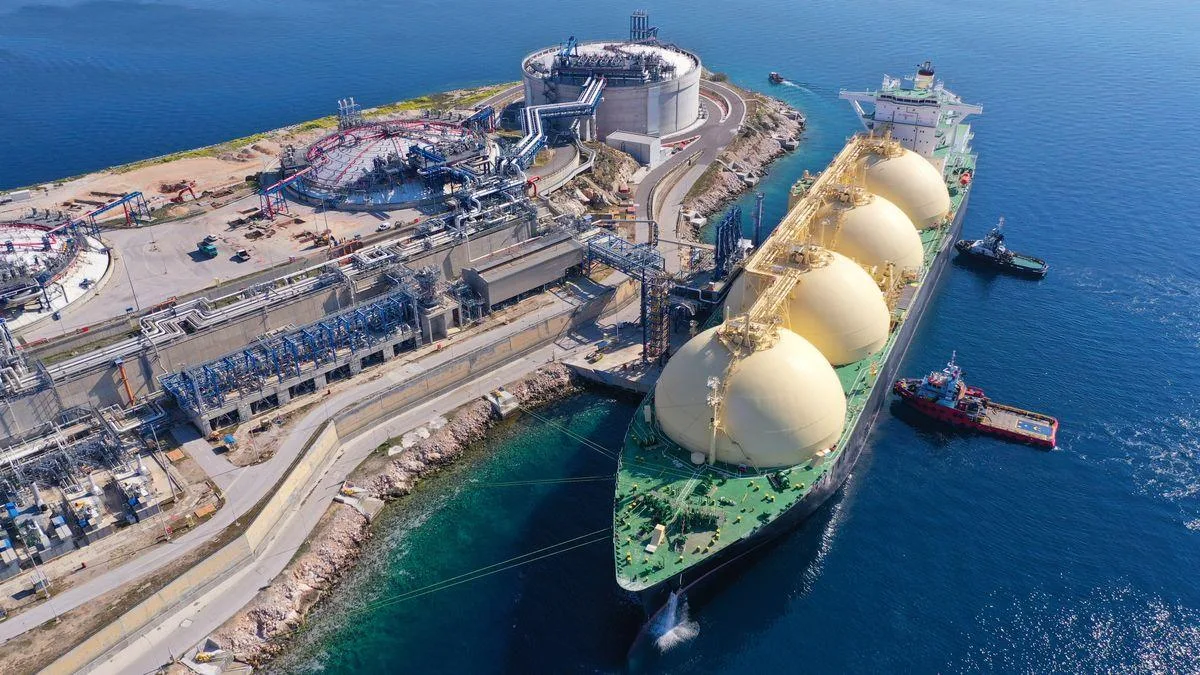
European natural gas prices climbed to their highest levels in three weeks, with Dutch and British contracts rising amid concerns that LNG shipments from Qatar could be disrupted through the Strait of Hormuz. The increase comes as European gas storage remains low, while heat-driven electricity demand is putting additional pressure on available supplies.
European gas prices rose again as concerns grew over shipping activity through the Strait of Hormuz, an important route for global liquefied natural gas shipments. The increase came as gas storage levels in Europe remained low and energy consumption rose during heat waves, making the market more sensitive to any potential supply disruption.
Dutch and British Gas Prices Rise
Benchmark Dutch gas futures, known as TTF, rose 1.83% to €62.55 per megawatt-hour, according to the data included in the research summary.
In Britain, gas contracts rose more than 2% to 154.01 pence per therm, which was described as the highest level since July 24.
These figures still need to be verified against an independent primary market source before they can be considered final, as the available research results did not include a primary U.S. source confirming them.
Strait of Hormuz Puts Pressure on Gas Supplies
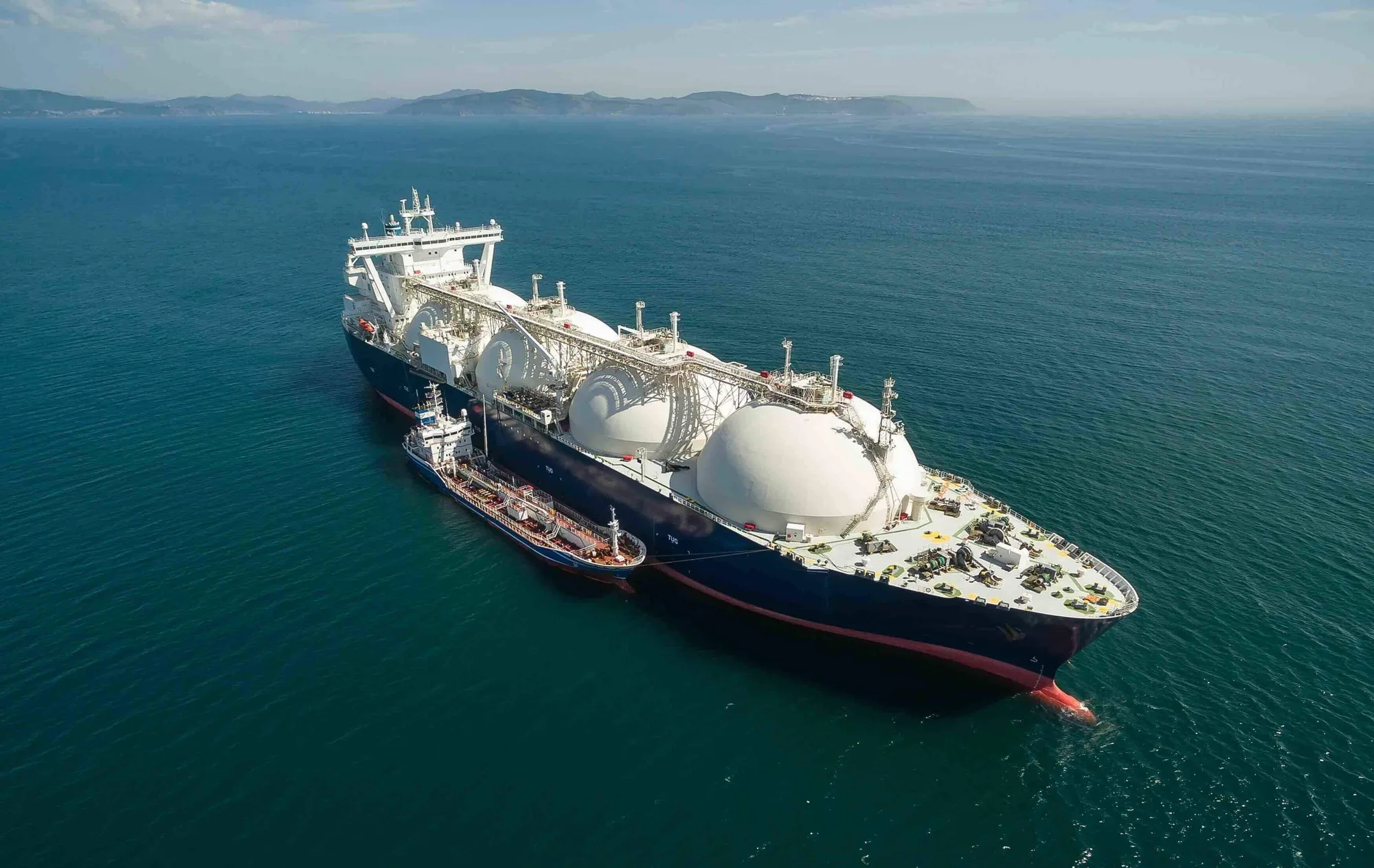
The price increase is linked to concerns that LNG shipments could be disrupted through the Strait of Hormuz, particularly shipments from Qatar. The research data indicates that about 20% of global LNG trade passes through the waterway.
As concerns over prolonged shipping disruptions grow, competition between European and Asian buyers for available LNG cargoes is increasing.
The research results also stated that the United States threatened to impose a full naval blockade on Iranian ports if commercial shipping disruptions continued. However, this claim was not confirmed by a primary U.S. source in the available sources and should therefore be treated with caution.
Europe's Gas Storage Remains Low
These developments come as research data indicates that underground gas storage facilities in the European Union are between 59% and 60.8% full.
According to the same data, this represents a historically low level for mid-August and was described as the lowest in more than 10 years. However, both the storage figure and its historical comparison need to be verified against official data or an independent primary source before being presented as established facts.
Lower storage levels make LNG shipments to Europe more important, particularly as winter approaches and adequate gas inventories become increasingly important for meeting demand.
Heat Waves Add Pressure to the Gas Market
The pressure is not limited to disruptions to maritime supplies. Severe heat waves across Europe have increased electricity demand for cooling.
According to the research data, some countries have had to use gas that could otherwise have been stored to operate power generation plants. This means high summer demand could slow the process of refilling gas storage facilities ahead of winter.
The data also indicated that declining nuclear power generation in some countries due to low water levels could put additional pressure on other energy sources. However, details concerning Romania, France, and Hungary require independent documentation before they can be confirmed.
A Double Challenge Ahead of Winter
European gas markets are facing several pressures at the same time, including low storage levels, higher electricity demand caused by heat waves, and concerns over continued disruption to shipping through the Strait of Hormuz.
These factors become more important as winter approaches and gas demand rises. The research data indicates that any continued disruption to maritime supplies could increase competition for available LNG cargoes between European and Asian buyers.
Europe Is More Vulnerable to LNG Supply Disruptions
The decline in a significant share of Russian pipeline gas flows has increased Europe's reliance on liquefied natural gas, according to the information included in the research.
As a result, any disruption to shipping through the Strait of Hormuz could affect the European market, particularly if it affects Qatari exports or increases competition for available cargoes.
Previous Gas Price Moves
European gas prices have undergone several changes in recent months, according to the sources cited in the research data.
On July 7, 2026, the TTF price rose to about €46.25 per megawatt-hour, an increase of roughly 4.1%, according to an Arabic-language report.
On July 12, the Dutch contract reached €50.65 per megawatt-hour, according to Investing.com, while the British contract reached about 122 pence per therm on the same day, up roughly 5%.
On August 10, European gas prices jumped 6.4% as concerns over gas supplies continued, according to the research data.
Could Gas Prices Rise Further?
The research data includes warnings that gas prices could rise further if shipping disruptions in the Strait of Hormuz continue into winter.
However, this remains a forecast or analytical scenario rather than a confirmed outcome. The claim that gas prices have doubled compared with last year also requires a defined comparison date and contract before it can be presented as a final statement.
Frequently Asked Questions
Q: Why have gas prices risen in Europe?
A: Prices have risen amid concerns that LNG shipments could be disrupted through the Strait of Hormuz, alongside low European storage levels and higher electricity demand caused by heat waves.
Q: What does the Strait of Hormuz have to do with European gas prices?
A: The Strait of Hormuz is an important route for global LNG shipments, and the research data indicates that about 20% of global LNG trade passes through it. Any shipping disruption could increase competition for available cargoes.
Q: How high did the Dutch gas price reach?
A: Dutch TTF gas futures reached €62.55 per megawatt-hour, up 1.83%, according to the data included in the research summary. The figure still needs confirmation from an independent primary market source.
Q: Why are European gas storage levels important?
A: Low storage levels ahead of winter make the market more sensitive to supply disruptions, particularly as gas demand is expected to rise during the winter season.
Q: Could gas prices rise further?
A: The research data includes warnings that prices could rise further if disruptions in the Strait of Hormuz continue into winter, but these are forecasts rather than confirmed outcomes.
Related Articles
Oil Prices Slide as Hopes Grow for Strait of Hormuz Reopening
Oil prices fell as markets watched Oman-Iran talks on shipping through the Strait of Hormuz, raising hopes that tensions and risk premiums could ease.
Exxon, Chevron Q2 2026 Profits Surge Amid Middle East Tensions
Exxon Mobil and Chevron posted major Q2 2026 profit jumps, driven by oil price spikes tied to Middle East tensions and supply disruptions.

Jason Kelce Trend: Philadelphia Connection Explained
Jason Kelce’s August 2026 comedy campaign with Liquid Death and Garage Beer tackles AI data center water use through music and satire.

Why Did the U.S. Dollar Fall to a More Than Two-Month Low?
The U.S. dollar fell to its lowest level since early June as markets scaled back expectations for another Fed rate hike.