Oil Prices Slide as Hopes Grow for Strait of Hormuz Reopening

By Shindy
Researcher and follower of U.S. news since 2011.
3 min read

Quick Answer
Oil prices fell as hopes grew for an agreement that could ease the U.S.-Iran conflict and pave the way for reopening the Strait of Hormuz. But those hopes had not turned into a final agreement as of August 11, 2026, while energy prices remain an important factor in the outlook for U.S. inflation.
Oil Moves With Developments Around the Strait of Hormuz
Oil prices fell on August 6 as investors monitored developments in the U.S.-Iran conflict and the possibility of an agreement that could pave the way for shipping to resume through the Strait of Hormuz. Brent crude fell $0.37, or 0.5%, to $79.08 a barrel, while West Texas Intermediate crude declined $0.53, or 0.7%, to $74.69 a barrel, according to a Reuters report.
Hopes for a Deal Put Pressure on Oil Prices
Oil prices had also shifted in the preceding days in response to changing market expectations surrounding the conflict. On August 3, oil fell by about $4 a barrel after U.S. President Donald Trump postponed a new attack on Iran to give negotiations a chance, according to Reuters. Other reports on August 4 and 5 also pointed to a roughly 5% decline in oil prices as hopes grew that the Strait of Hormuz could be reopened.
Oman-Iran Talks Reach an Advanced Stage
On August 11, Qatar’s Ministry of Foreign Affairs said talks between Oman and Iran over the future of shipping through the Strait of Hormuz had reached an advanced stage, according to published reports. The talks are part of a broader diplomatic effort aimed at easing the conflict and paving the way for an agreement between Washington and Tehran. However, describing the talks as advanced does not mean a final agreement has been reached or that a confirmed date has been set for reopening the strait.
Trump Calls for Compensation From Iran
On August 10, U.S. President Donald Trump called on Iran to pay compensation to victims’ families and Middle Eastern countries. The demand came after reports that Tehran would not reopen the Strait of Hormuz before receiving compensation for war-related damages, highlighting a clear disagreement over the conditions for reopening the waterway.
Fading Optimism Limits Oil’s Decline
Despite reports of progress in the Oman-Iran talks, other reports on August 11 indicated that optimism over an imminent agreement had faded. Oil prices subsequently stabilized or rose instead of continuing to decline. This highlights how sensitive the market remains to any development that could change the prospects of the strait remaining closed or reopening.
The Strait of Hormuz and U.S. Inflation
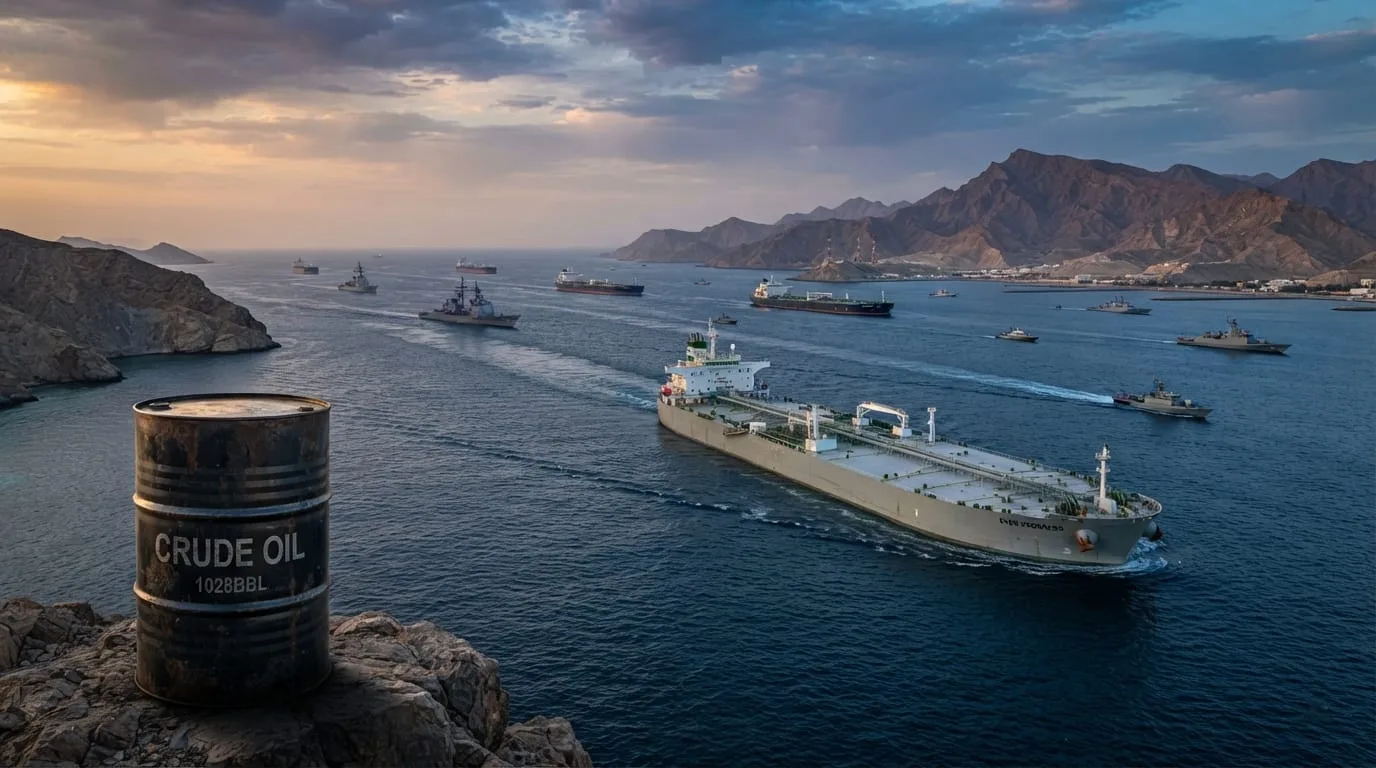
The Strait of Hormuz is a strategic maritime route for oil and gas tankers. As a result, disruptions to shipping through the strait can increase supply risks and raise the geopolitical risk premium on oil prices. Conversely, reaching an agreement and reopening the waterway could reduce those risks and push crude prices lower.
Oil prices affect U.S. inflation directly through energy costs and indirectly through gasoline prices, transportation, shipping, and production costs. However, lower oil prices in the market do not necessarily mean U.S. gasoline prices will fall immediately or by the same amount. The available data also do not include a verified figure measuring the specific impact of the Strait of Hormuz crisis on U.S. inflation.
Written by shindy
Researcher and follower of U.S. news since 2011
Frequently Asked Questions
Q: What caused oil prices to fall in early August 2026?
A: The decline was linked to hopes for an agreement between the United States and Iran that could ease the conflict and pave the way for reopening the Strait of Hormuz, along with Trump’s postponement of a new attack on Iran.
Q: What was the price of Brent crude on August 6, 2026?
A: Brent crude was priced at $79.08 a barrel after falling $0.37, or 0.5%, according to a Reuters report.
Q: How does the Strait of Hormuz affect oil prices?
A: The strait is a strategic maritime route for oil and gas tankers. Continued disruptions to shipping through it can increase supply risks and support oil prices, while reopening the waterway could reduce the risk premium.
Q: Has a final U.S.-Iran agreement been reached over the Strait of Hormuz?
A: There is no evidence in the available data of a final agreement as of August 11, 2026. Reports refer to talks and possible progress, while other reports point to fading optimism over an imminent deal.
Q: How can oil prices affect U.S. inflation?
A: Higher oil prices can increase energy, gasoline, transportation, and some production costs, while lower oil prices can ease those pressures. The size of the impact depends on how long prices remain lower and how quickly the changes reach consumers.
Related Articles
Europe Gas Prices Hit 3-Week High as Hormuz Tensions Grow
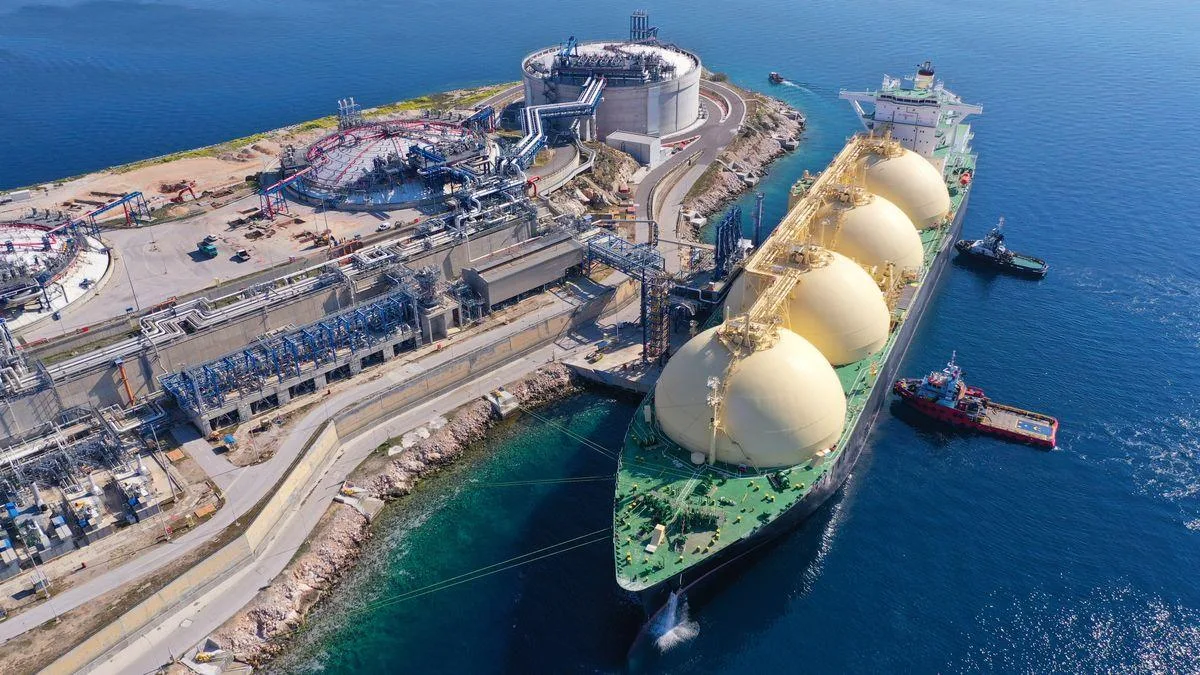
European gas prices rose as Hormuz tensions threatened LNG supplies, while low storage levels and heat waves added pressure ahead of winter.

U.S. Treasury Yields Rise Ahead of Inflation Data
The 10-year Treasury yield rose as oil prices climbed and inflation fears returned, with markets awaiting CPI data, Treasury auctions and AI earnings.

Exxon, Chevron Q2 2026 Profits Surge Amid Middle East Tensions
Exxon Mobil and Chevron posted major Q2 2026 profit jumps, driven by oil price spikes tied to Middle East tensions and supply disruptions.

Jason Kelce Trend: Philadelphia Connection Explained
Jason Kelce’s August 2026 comedy campaign with Liquid Death and Garage Beer tackles AI data center water use through music and satire.