U.S. Treasury Yields Rise Ahead of Inflation Data

By Shindy
Researcher and follower of U.S. news since 2011.
3 min read
Quick Answer
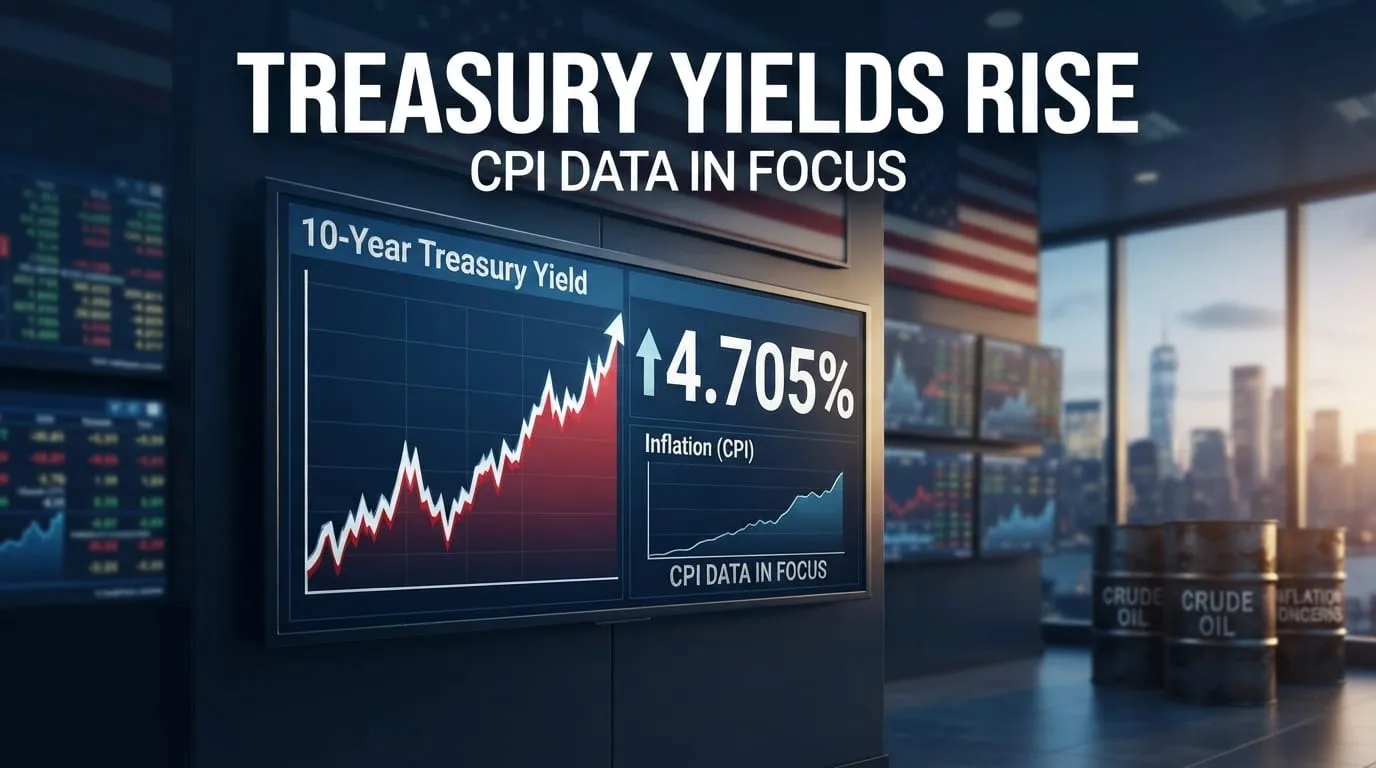
The 10-year U.S. Treasury yield rose by about 6 basis points to 4.705% on August 10, 2026, as oil prices climbed and inflation concerns returned. Markets are heading into a crucial week featuring U.S. inflation data, Treasury auctions and earnings from AI-related companies.
Treasury Yields Rise Ahead of Inflation Data
U.S. Treasury yields rose on August 10 as investors prepared for the release of U.S. inflation data. The 10-year Treasury yield climbed by about 6 basis points to 4.705%, alongside a sharp rise in oil prices and renewed concerns about persistent inflationary pressures.
Oil Revives Inflation Concerns
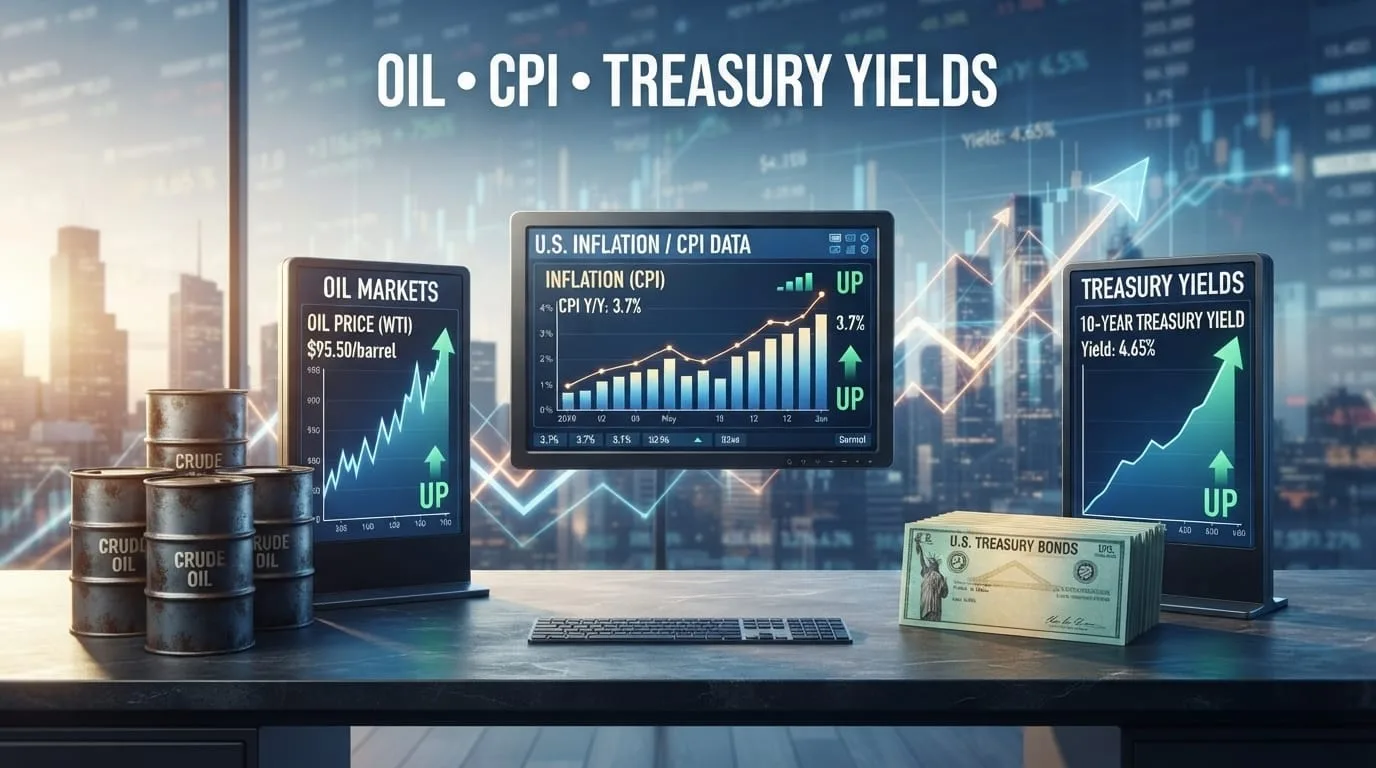
The rise in Treasury yields was also linked to a major jump in oil prices. West Texas Intermediate crude rose more than 6.70% to about $82.29 a barrel on August 10, reviving concerns that higher energy costs could add to inflationary pressures.
Oil prices affect transportation, production and energy costs, so a rise in crude prices can increase investors’ expectations for future inflation. As these concerns grow, investors may reassess their expectations for the path of U.S. interest rates, which can affect Treasury yields.
CPI Data Takes Center Stage
Markets are awaiting the U.S. Consumer Price Index data for July during the week of August 10-14, 2026. Forecasts cited in the available market report indicate that the annual headline inflation rate could fall to 3.4%, compared with 3.5% in the previous reading.
However, that figure is a forecast, not an official final result, based on the available data. Markets will therefore watch the actual reading to determine whether inflation is continuing to ease or remains a source of pressure for U.S. monetary policy.
Bond Market Reacts to Jobs Data and Oil
The rise in Treasury yields came after a weaker-than-expected U.S. nonfarm payrolls report the previous Friday, which initially reduced investors’ expectations for further interest-rate hikes by the Federal Reserve.
However, the rise in oil prices brought some inflation concerns back to the market, contributing to a shift in investors’ expectations. Treasury yields are influenced by several factors, so higher oil prices alone cannot be treated as a confirmed cause of the 6-basis-point increase in the 10-year Treasury yield.
Asia-Pacific Bonds Follow U.S. Treasury Moves
The decline in bond prices extended into the Asia-Pacific region, where government bonds followed the direction of U.S. Treasuries after the rise in the U.S. 10-year Treasury yield.
The available data generally points to this move, but it does not provide verified details on the magnitude of yield changes across individual countries. Therefore, the performance of Japanese, Australian, New Zealand or South Korean bonds cannot be stated with separate figures based on the available information.
A Crucial Week Ahead for Markets
The importance of this week extends beyond inflation data, as markets are also awaiting U.S. Treasury auctions and earnings from companies linked to artificial intelligence. These events, along with oil-price movements and changing expectations for monetary policy, could provide potential catalysts for market moves.
However, the available data does not specify the dates of Treasury auctions, the maturities or offering sizes. It also does not identify the AI companies scheduled to report earnings or the dates of those reports. These details should therefore be verified before being presented as confirmed information.
What Does a Higher Treasury Yield Mean for Investors?
Bond prices and yields typically move in opposite directions: when Treasury bond prices fall, their yields rise. Therefore, the increase in the 10-year yield to 4.705% reflects a move in Treasury yields ahead of important inflation data.
The CPI reading will be an important factor in assessing investors’ expectations for the path of interest rates. A higher-than-expected reading could strengthen expectations that interest rates will remain elevated for longer, while a weaker-than-expected reading could support expectations for lower interest rates and stronger demand for government bonds.
Written by shindy
Researcher and follower of U.S. news since 2011
Frequently Asked Questions
Q: Why did U.S. Treasury yields rise on August 10, 2026?
A: The 10-year U.S. Treasury yield rose by about 6 basis points to 4.705%, alongside higher oil prices and renewed inflation concerns as markets prepared for CPI data.
Q: What was the 10-year U.S. Treasury yield on August 10, 2026?
A: The 10-year U.S. Treasury yield was about 4.705% on August 10, 2026, after rising by about 6 basis points.
Q: How much did West Texas Intermediate crude rise?
A: West Texas Intermediate crude rose more than 6.70% to about $82.29 a barrel on August 10, 2026.
Q: What is expected from the July U.S. inflation data?
A: Forecasts in the available data indicate that the annual headline inflation rate could come in at 3.4% in July, compared with 3.5% in the previous reading. This figure is a forecast, not an official final result.
Q: Why is CPI data important for the bond market?
A: CPI data helps investors assess the path of inflation and U.S. monetary policy. A reading that is above or below expectations can affect interest-rate expectations and, in turn, demand for Treasury bonds and their yields.
Related Articles

Why Did the U.S. Dollar Fall to a More Than Two-Month Low?
The U.S. dollar fell to its lowest level since early June as markets scaled back expectations for another Fed rate hike.

U.S. CPI: The Inflation Report That Moves Markets
Investors closely watch the U.S. CPI report as a key inflation measure that directly influences Federal Reserve decisions and financial markets.

Oil Prices Slide as Hopes Grow for Strait of Hormuz Reopening
Oil prices fell as markets watched Oman-Iran talks on shipping through the Strait of Hormuz, raising hopes that tensions and risk premiums could ease.
Wall Street Defies Gravity as S&P 500 Breaks 7,700 for First Time
U.S. markets hit record highs as the S&P 500 topped 7,700, fueled by strong corporate earnings and easing geopolitical tensions.